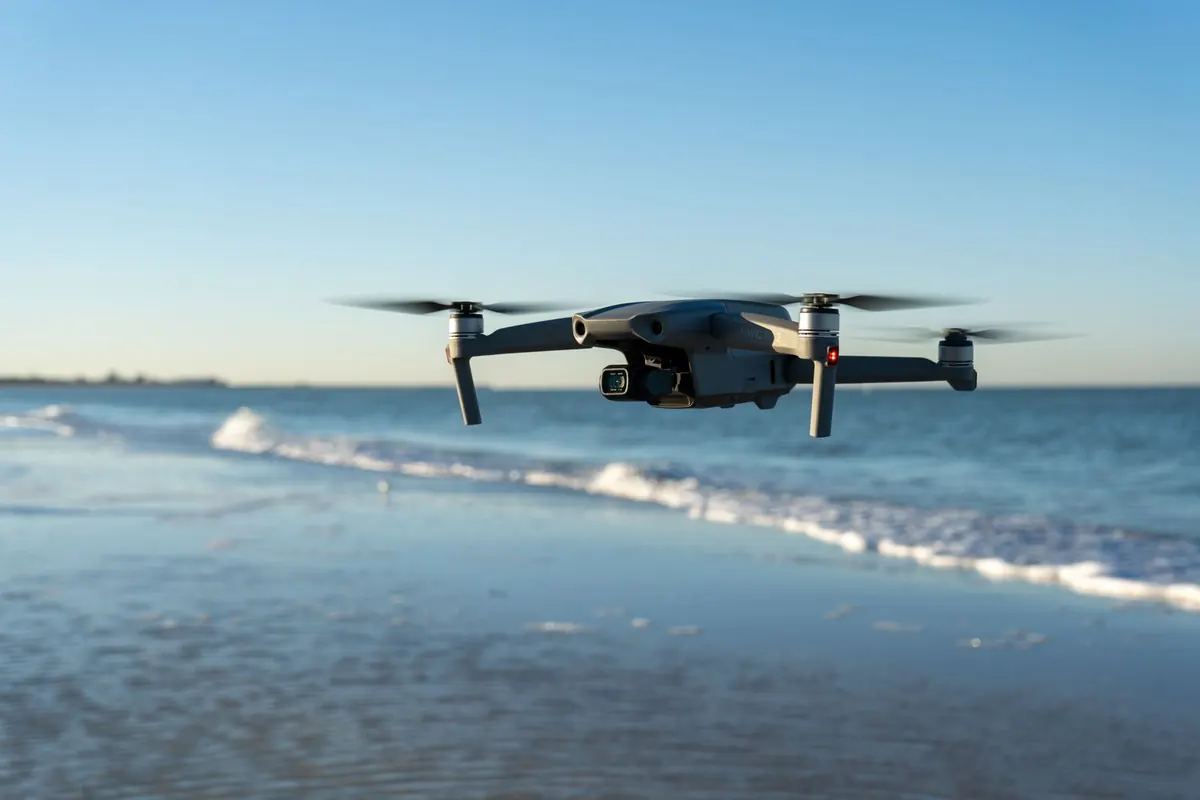
Drone photography for surfing means flying over the lineup and the beach for aerial angles. This hub covers the gear that supports it: ND filters, batteries, cases and launch pads. Rules change, so verify current regulations from official sources before you fly.
Quick answer: coastal drone photography needs a short list of accessories: spare batteries, a landing pad to keep sand out of the motors, ND and polarizing filters for glare, and a protective case. Rules for registration, pilot testing and where you may fly change by country and beach, so confirm them from official sources before you launch.
Surf camera gear on Amazon
Sponsored
As an Amazon Associate, SurferPix earns from qualifying purchases. See our affiliate disclosure.
A set of neutral-density filters sized for a specific drone camera, aimed at coastal aerial shooters managing bright reflected light off open water. Filter sizes are drone-model-specific.
Reflects criteria around drone-model-specific filter mount fit and a documented stop range per filter.
Spare batteries for extending total flight time during a coastal shoot day, aimed at drone photographers who want to avoid cutting a session short. Salt air accelerates corrosion on battery contacts, so storage care matters.
Reflects criteria around manufacturer-specified charging/storage guidance and contact-corrosion resistance in salt air.
A padded, weather-resistant case for transporting a drone and accessories to and from a beach launch site, aimed at protecting props and electronics from sand and impact during transport. Not a substitute for a sand-free launch pad.
Reflects criteria around padded compartment protection and weather-resistant exterior material.
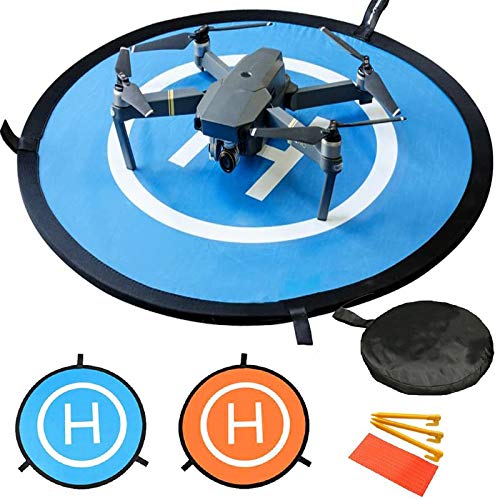
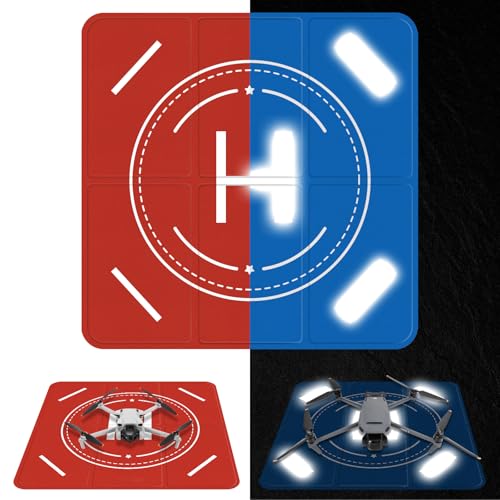
A foldable landing pad aimed at keeping a drone's launch and landing surface sand-free on a beach, reducing sand ingestion into motors and joints. A simple habit that reduces -- but doesn't eliminate -- sand-related maintenance issues.
Reflects criteria around a packable, quick-deploy design and a stable surface for handheld or unattended launches.
Drone photography for surfing means flying over the lineup, the beach and the headland for angles you cannot get from the sand. The coast is also one of the harshest places to fly. Wind is stronger and more gusty, salt air corrodes contacts and motors, fine sand gets into everything, glare off the water confuses exposure, and a failure over the sea means a lost aircraft. Each of those problems has a gear answer, and this hub covers them.
The gear that supports safe coastal flying is mostly small and unglamorous: a pad, a case, spare batteries, filters and cleaning tools. The drone itself is a separate decision, and the right one depends on wind resistance, flight time, zoom and the rules where you fly. This hub does not give legal advice, which changes and must be verified against current official sources. It focuses on what to carry and how to look after it.
Choose accessories that match your exact drone model. Filters, props and batteries are model-specific, and a close match is not good enough.
Accessory jobs from the coastal drone accessories table.
How to choose drone accessories
Confirm the model. Every accessory should name your drone.
Buy spares of consumables first. Propellers and batteries wear out and fail at the worst time.
Protect against sand. A pad is cheap and prevents the most common damage.
Add filters for your light. Bright coastal light often needs ND for smooth video.
Choose a case you can clean. Wipe-clean surfaces beat soft fabric that holds sand.
Plan the carry. You may walk across dunes with the kit, so weight matters.
Keep manuals handy. Know the maker's guidance on wind limits and storage.
We chose not to rank accessories by price or star rating. Prices move constantly, and ratings we have not gathered ourselves are not something we publish.
Rules and safety: check before you fly
Rules differ widely. In the United States, the FAA states that recreational flyers must take the free Recreational UAS Safety Test (TRUST) and carry proof of completion, must register a drone that weighs 250 grams or more, and must fly within visual line of sight. Other countries have their own rules, and local authorities can restrict flying at beaches, in parks and near wildlife colonies or protected areas. Always check current official guidance for the place and date you intend to fly.
Beyond the legal rules, there are practical safety habits. Keep clear of people, including surfers and swimmers, and of other aircraft. Do not fly beyond your own sight. Check weather and wind before you leave, and set a return-to-home height that clears nearby cliffs and buildings. Check airspace restrictions on the maker's or authority's maps. Respect seabirds and marine life, which can be disturbed by a drone overhead. None of this is legal advice; it is a prompt to look up the rules that apply to you.
Flying near and over water
Flying over water raises the cost of a failure, because a drone that drops into the sea is rarely recovered. Plan a flight path that keeps you able to land on solid ground if the battery runs low or a gust pushes the aircraft out. Leave a generous battery reserve, and return earlier than you would on land. Salt spray is also a factor: keep the aircraft out of direct spray, and avoid launching from wet sand or rock where a pad cannot sit flat.
Wind at the coast often changes with the tide and the time of day, so check conditions again before each flight, not just at the start of the session. Gusts around headlands and cliffs can be strong and sudden. If the drone is struggling against the wind, bring it home immediately; the extra shot is not worth the aircraft.
Surf camera gear on Amazon
Sponsored
As an Amazon Associate, SurferPix earns from qualifying purchases. See our affiliate disclosure.
Prices and availability were accurate when retrieved from Amazon and may change. Retrieved Nov 16, 2026.
Common mistakes
Launching from loose sand without a pad. Sand in the motors and gimbal shortens a drone's life.
Flying beyond visual line of sight. Breaks the recreational rules in many places.
Skipping airspace and wildlife checks. Rules and sensitive areas change.
Running batteries to the limit over water. A margin matters more than an extra minute.
Ignoring prop damage. Small nicks cause vibration and failure.
Not rinsing or cleaning. Salt and sand corrode contacts and bearings.
Treating the filter as an afterthought. Wrong exposure ruins footage in bright glare.
Care in salt air and sand
Salt is conductive and corrosive, and sand is abrasive, so cleaning after a coastal flight is part of the flight. Wipe the body, arms and gimbal with a slightly damp, clean cloth, never submerging or hosing the aircraft unless the maker says it is safe. Blow sand from motors, vents and the gimbal with a blower, and brush connectors gently. Check props for nicks and cracks, and replace them in sets.
Remove batteries before storage and keep them in a cool, dry place per the maker's guidance, away from direct sun and heat. Dry the case and the pad before you pack them. If a drone has been exposed to spray, let it air out before you seal it in a case, since trapped moisture sits against electronics. Keep a simple log of flights and maintenance so you know when parts are due for replacement.
A worked example: a pre-flight routine for a beach session
Before you leave home, charge batteries, clear and label the card, and check the manual or app for firmware updates. At the beach, set the landing pad on firm ground above the tide line and weigh it down against the wind. Check the forecast wind and the actual wind on the sand. Inspect the props for nicks, wipe the gimbal and lens, and fit the filter that suits the light. Look around for people, birds and obstacles, and confirm the rules for that beach from the official source.
Take off, hover briefly and listen for odd noises or drift. Fly your planned route with a clear battery reserve and an easy path back to the pad. After landing, wipe the aircraft with a clean cloth, blow sand from the vents and gimbal, and let it cool before packing. Log the flight, note any prop wear, and label the card. That routine takes only a few minutes and removes most of the preventable problems that coastal drone flying creates.
A short pre-flight checklist
Check the wind, the airspace and the local rules, the battery level, the props and the pad, and make sure you can see the aircraft at all times. Do this every time, before you launch.
Not automatically, but the usual rules still apply. In the United States, the FAA requires recreational flyers to take TRUST, register drones of 250 grams or more and keep the drone in visual line of sight. Local rules may also limit flying at beaches and protected areas, so check before you fly.
What is the 1:1 rule for drones?
It is a rule of thumb used in some drone regulations: your drone's height should not exceed its horizontal distance from uninvolved people, so a failure straight down would land clear of them. Whether it applies depends on your country and category, so confirm it with your regulator.
What is the best drone for filming surfing?
There is no single best. Look for wind resistance, flight time, a zoom or telephoto option so you can stay away from the lineup, and subject tracking. Check the maker's stated specifications, and confirm the rules where you fly before you buy.