A waterproof phone case is a sealed cover that lets a phone survive splashes, sand and, for some designs, brief submersion. This hub compares fitted hard cases with universal pouches, explains how to read an IP rating, and covers the salt-water care that decides whether a seal keeps working.
Quick answer: use a fitted, IP68-rated case when you want a phone that stays usable and protected, and a floating pouch when you want a cheap, universal beach option. Read the maker's stated depth and time limits, test the seal with tissue before the phone goes in, and add a tether so a dropped phone is not a lost phone.
Surf camera gear on Amazon
Sponsored
As an Amazon Associate, SurferPix earns from qualifying purchases. See our affiliate disclosure.
A hard-sealed case rated by the manufacturer for brief submersion, aimed at swimmers and surfers who want to bring a phone into the water rather than leave it on shore. Rating conditions and duration are manufacturer-specific.
Reflects criteria around a documented IP rating and duration/depth conditions rather than a general 'waterproof' packaging claim.
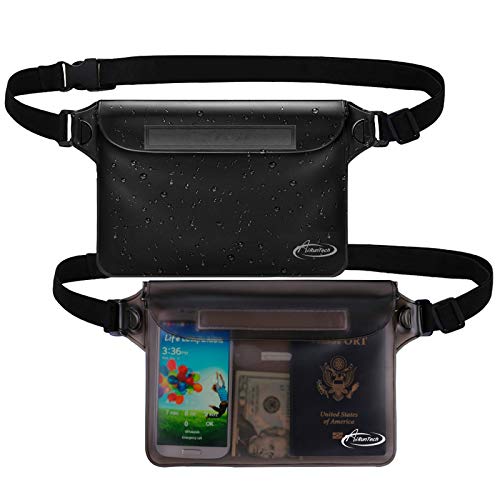
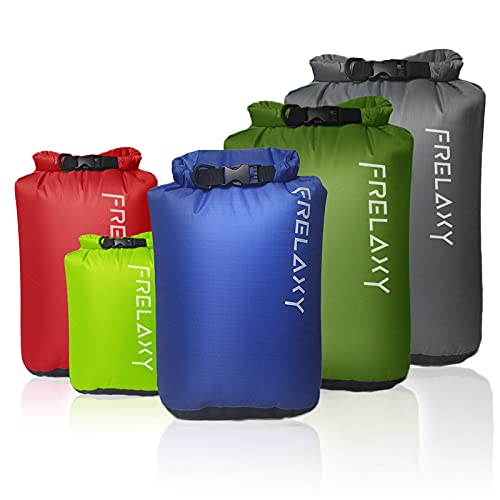
A flexible roll-top pouch for splash and sand protection during general beach use, aimed at users who want basic protection without the bulk of a hard case. Not equivalent to a submersion-rated case.
Reflects criteria around a manufacturer-rated closure method and touchscreen usability through the pouch material.
A waterproof case built with buoyant material to float if dropped in the water, aimed at surfers and paddlers who want a backup against a lost phone. Floating construction doesn't replace a neck or wrist tether.
Reflects criteria around stated buoyancy and a secure, rated closure rather than a roll-top closed 'by feel'.
A clear case prioritizing camera clarity and touchscreen responsiveness for beach photographers who want to actively use the phone rather than just store it. Touch sensitivity through the case material varies by product.
Reflects criteria around camera-lens clarity claims and documented touchscreen sensitivity through the case material.
Waterproof protection for phones comes in two main forms. A fitted case snaps around a specific phone model, keeps the screen and buttons usable, and carries an IP rating. A pouch is a clear, flexible bag, often with a lanyard or a built-in float, that holds almost any phone and seals with a fold or a track closure. Both can work, but they fail in different ways.
Fitted cases are model-specific. A case made for one phone will not fit the next, and a generation change can break compatibility, so always confirm the exact model on the maker's page. Pouches fit many phones but make touch controls and camera quality worse, because you operate the phone through a layer of plastic. Our phone case or pouch for the beach guide compares them for typical beach use.
Types from the phone protection table.
Waterproof phone protection compared
Waterproof phone protection types
Type
Fit
Best for
Watch for
Fitted hard case (IP68)
One phone model
Snorkelling, paddling, daily use
Model-specific; check depth and time limit
Universal floating pouch
Many phones up to a stated size
Beach, boat, paddling
Seal technique matters; touch and photos are degraded
Whatever you choose, treat the rating as a limit for a clean, undamaged seal, not a promise that the phone can be left in water indefinitely.
How to read an IP rating
IP stands for ingress protection. The two digits describe protection against solids and liquids. In IP68, the six means dust-tight and the eight means the case is rated for continuous immersion under conditions the maker specifies. That last part is the catch: the maker states the depth and the time. OtterBox, for example, states on its Frē Series page that the cases are rated IP68, meaning they can be submerged in water up to 2 meters for up to 1 hour.
That kind of statement is the one to look for. A listing that says IP68 without a depth or time is not enough, and a rating applies to the case as new, closed correctly and used in fresh water. Salt, sand, heat and age change the result. Our guide on reading IP ratings on waterproof phone cases explains the codes in plain language and what they do not cover.
How to choose
Decide your use. Beach and splash, paddling, or snorkelling each ask for something different.
Confirm the exact phone. For fitted cases, the maker's page should name your model.
Read the stated depth and time. Make sure they cover your use with margin.
Check usability. Can you use the touchscreen, buttons, fingerprint sensor and camera through the case?
Look for flotation. A floating pouch or case can save a dropped phone.
Check charging and audio. Some cases block ports or muffle microphones.
We chose not to rank phone cases by price or customer rating. Prices move constantly, and ratings we have not gathered ourselves are not something we publish.
Testing the seal before you trust it
Every waterproof case or pouch should be tested empty before the phone goes in. For a pouch, put a dry paper tissue inside, seal it exactly as the instructions say, and submerge it for several minutes. If the tissue is dry, the closure is working. For a fitted case, close it without the phone, or with a dummy, and do the same. Check the gasket for grit, hair or damage, and wipe it with a lint-free cloth.
Technique matters more than people expect. A roll-top pouch needs a set number of folds; a track closure needs to be pressed along its full length. Don't overfill it, and don't force a phone that is too big. If you notice moisture inside at any point, stop using it for water until you have found the cause.
Test it empty before the phone goes in.
Surf camera gear on Amazon
Sponsored
As an Amazon Associate, SurferPix earns from qualifying purchases. See our affiliate disclosure.
Prices and availability were accurate when retrieved from Amazon and may change. Retrieved Nov 16, 2026.
Common mistakes
Trusting a rating with no depth or time. Look for the full statement.
Skipping the dry test. A single hair on a gasket can leak.
Assuming a case that fits last year's phone fits this year's. Always confirm the model.
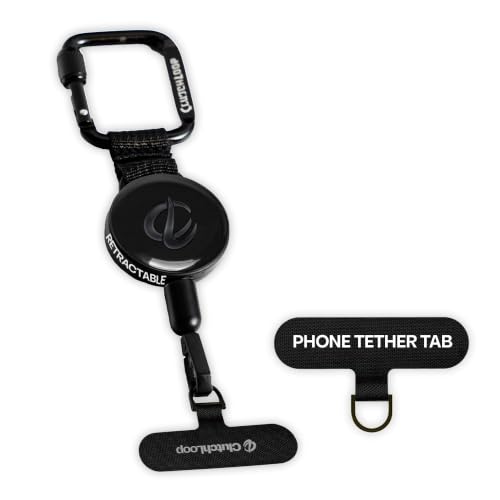
Not tethering. A phone in a case still sinks unless the case floats.
Using it in hot sun. Heat and condensation harm phones and seals.
Opening it on the beach. Sand on the gasket is the most common cause of a leak.
Treating a pouch like a housing. Pouches are not meant for diving or deep water.
Care in salt water
Rinse the closed case or pouch in fresh water after each salt session, before you open it, so salt never reaches the seal or the phone. Dry the outside, open it over a clean surface and wipe the gasket and its groove. Let the case dry fully open. Check for cracks, clouding in the window and stiffness in the gasket, which signals wear. Replace a case or pouch whose seal looks damaged.
Store cases away from sun and heat, and do not leave a phone sealed inside for long periods, since condensation builds up. If a phone does get wet, power it off, do not charge it and let it dry fully before use. Keep a spare case or pouch for backup if you rely on your phone for photos or navigation at the beach.
A worked example: choosing for a day at the beach
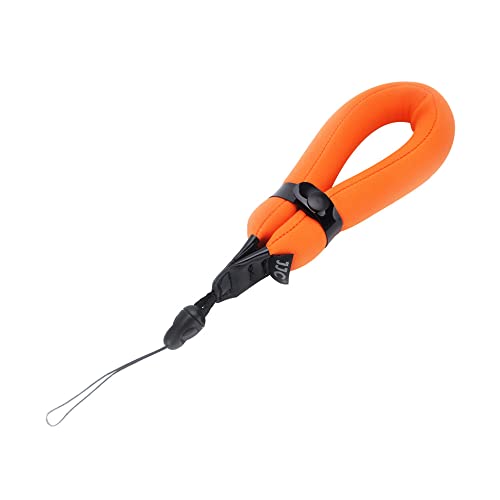
Picture a day with a swim, a paddle and a picnic. You want your phone for photos, music and navigation, and you do not want to lose it to water or sand. A fitted IP68 case suits this day if it matches your phone model, because it keeps the screen and camera usable and still protects against drops and splashes. Check the stated depth and time for the case you are considering, and make sure it covers a swim with margin. Add a floating lanyard so a dropped phone does not sink.
If you do not want to buy a case for every phone you own, a universal pouch is a sensible alternative. Choose one that states the phone sizes it fits and the sealing method, and learn the closure on land before you rely on it. Photos through a pouch are softer, so shoot a few before you rely on it for something important. For a day on a boat or a kayak, where splashes are constant and submersion is rare, a good pouch on a neck tether is often all you need.
Whatever you pick, do a dry test with a tissue at home, rinse the case after salt water, and keep a spare pouch in the car. These steps cost little and turn a risky device into a reliable beach companion.
Questions to ask before you buy
A case or pouch page should state the depth and the time limit, the phone models it fits, the sealing method, and whether the screen, camera and ports remain usable. It should also say what is in the box, such as a lanyard, and whether the case floats. If it is missing any of these, treat the product as unproven.
They can, when you choose a quality product, seal it correctly and stay within the maker's stated depth and time limits. Real-world performance depends on the type and on technique, so test the seal empty first and rinse after salt water.
Is there a truly waterproof phone case?
No case can guarantee protection forever, because seals wear and user error happens. IP68-rated cases state specific limits, for example OtterBox states 2 meters for up to 1 hour for its Frē Series, and they work when closed correctly and kept in good condition.
Is OtterBox fully waterproof?
Not every OtterBox case is. Standard cases are protective but not built for submersion. OtterBox states that its Frē Series cases are rated IP68, which it describes as submersion up to 2 meters for up to 1 hour. Check the specific case you are buying.