
Main buying hub

Surfing Cameras: Waterproof Surf Camera Guide

A surf camera is the camera you shoot waves with, and a waterproof surf camera is one built to take salt water and spray. This hub is the main starting point for surfing camera options: compact action cameras, rugged point-and-shoots and larger housed bodies, compared by whether you shoot from the board, the water or the shore.

Quick answer: for most people a compact, natively waterproof action camera is the best surf camera: small enough to hold in the water, simple with wet hands, and able to ride on a board mount or floating grip. Choose a larger mirrorless or DSLR body in a housing only if you mainly shoot from the shore and want reach and image quality.

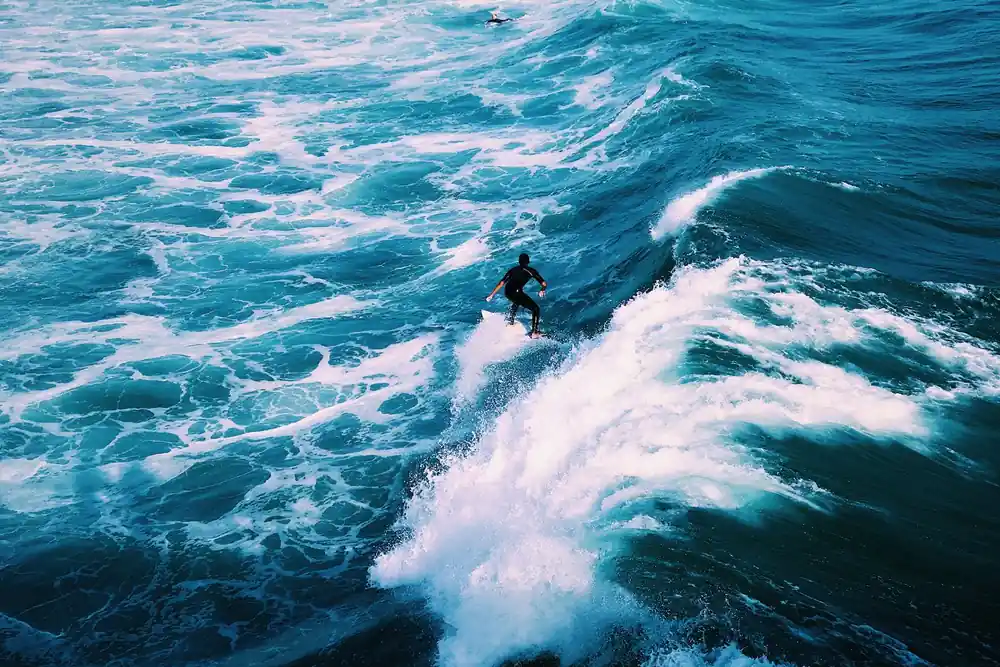
Aerial view of a surfer riding a wave in deep blue water with white foam trails

Surf camera gear on Amazon

Sponsored

As an Amazon Associate, SurferPix earns from qualifying purchases. See our affiliate disclosure.

Prices and availability were accurate when retrieved from Amazon and may change. Retrieved Nov 17, 2026.

Editorial picks in Surf Cameras

General-purpose picks for shoppers who want a versatile surf camera before choosing a specific mounting or housing system.

Surf Cameras

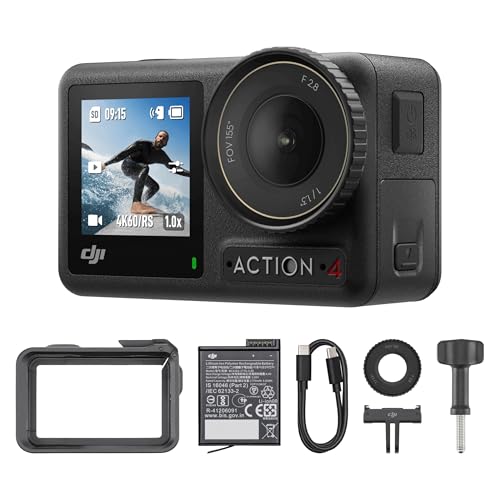
Compact Action Camera For Surf

A pocket-sized action camera aimed at surfers who want a simple, grab-and-go body for board or hand-held shooting. Suits beginners who prioritize small size and a wide field of view over manual controls.

Reflects criteria around compact form factor, wide-angle lens coverage, and stated ease of one-handed operation with wet or gloved hands.

Explore options on Amazon

Surf Cameras

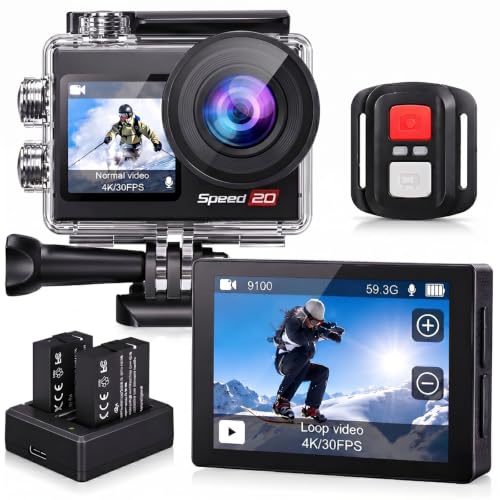
High-Frame-Rate Surf Video Camera

A camera built around higher frame-rate video modes for slow-motion wave and maneuver footage, aimed at shooters who plan to edit footage afterward. Bulkier than a pocket action camera and better suited to shore or boat shooting than board mounting.

Reflects criteria around stated frame-rate and resolution options and stabilization method rather than star ratings or invented benchmarks.

Explore options on Amazon

Surf Cameras

Entry-Level Mirrorless Camera For Surf Video

A mirrorless body positioned as a step up in image quality for shore or boat-based surf photographers who don't need native waterproofing. Requires a separate housing for any water use and adds notable weight versus an action camera.

Reflects criteria around control layout, lens-mount ecosystem, and compatibility with dedicated underwater housings covered in a related hub.

Explore options on Amazon

Surf Cameras

Rugged Point-And-Shoot Camera For Beach Use

A simplified rugged compact camera for casual beach and coastal shooting by non-surfers or family members documenting a session from shore. Favors shockproof and dust-resistant construction over advanced manual controls.

Reflects criteria around drop and dust resistance claims and beginner-friendly automatic modes, sourced from manufacturer documentation rather than testing claims.

Explore options on Amazon

Start with where you shoot

The single most useful question when choosing a surf camera is where you will be when you press record. A surfing camera is not one product category; it is three different jobs that happen to share a name. From the shore you want reach, speed and a clear lens. In the water you want something small, sealed and easy to hold while treading water. On the board you want something light, wide and tethered, because you cannot touch it mid-ride.

New surfers often buy for the most dramatic use, a board-mounted angle, and then shoot mostly from the beach. Be honest about your first month. A camera that is easy to use and hard to lose will give you more usable footage than one with the longest feature list. Our shore versus in-water setups guide walks through the trade-offs for each position, and the best surf camera for beginners guide shows the specific cameras whose waterproof ratings we confirmed on the makers' own pages.

Surf camera types by shooting position: from shore, pier or cliff; on the beach in shallow water; in the water close to the break1231 Shore, pier, cliff: mirrorless or DSLR with atelephoto lens2 Beach and casual shallow water: ruggedwaterproof point-and-shoot3 In the water: compact waterproof actioncamera, or a housed body
Position sets the camera type.

Surf camera types at a glance

Surf camera types compared by use
TypeBest positionMain strengthMain trade-off
Compact waterproof action cameraBoard mount, hand grip, in the waterSmall, sealed, wide angle, built-in stabilizationSmall sensor, weaker in low light, limited zoom
Rugged waterproof point-and-shootBeach and casual shallow-water useOptical zoom, familiar controlsBulkier to mount, slower to start recording
Mirrorless or DSLR with telephoto lensShore, pier, cliffReach, autofocus, image qualityNot waterproof alone; heavy; salt air is hard on it
Mirrorless or DSLR in a housingIn the water, close to the breakBest image quality in the waterCost, bulk, seal upkeep and a real risk of flooding
360 cameraBoard or pole mountCapture first, frame laterLarge files and a heavier editing workflow

Read the table across, not down. Nothing in it is a winner; each row is the right answer for a different shooter. If you cannot decide between the first two rows, our point-and-shoot versus action camera comparison covers that choice directly.

What to look for in a surf camera

Specifications matter less than how a camera behaves in a wet, cold, shaky situation. These are the checks that change your footage.

  • Stated waterproof rating. Read the depth and conditions on the maker's page, and note whether the rating applies without a case. Treat it as a limit for a clean, undamaged seal, not a promise.
  • Controls with wet or gloved hands. Can you start recording without looking? A touchscreen that ignores water droplets is a frequent frustration; physical buttons with a clear click are easier.
  • Stabilization. Surf video is shaky. Check which stabilization method the maker describes and whether it works at the resolution and frame rate you plan to use.
  • Battery and heat. Small sealed bodies heat up in the sun. Look at the maker's stated battery life and any note about overheating, and carry a spare battery.
  • Mount interface. Check that the camera uses a mounting standard that your board mount, grip or housing supports. Compatibility is always model-specific.
  • Storage. Confirm the card type and the speed class the maker requires for high-resolution or high-frame-rate recording. Our storage formats guide explains the practical side.
  • Lens protection. A scratched lens shows in every frame. Look for a replaceable or removable lens cover.

Surf camera gear on Amazon

Sponsored

As an Amazon Associate, SurferPix earns from qualifying purchases. See our affiliate disclosure.

Prices and availability were accurate when retrieved from Amazon and may change. Retrieved Nov 17, 2026.

How to choose: a short decision path

Work through these questions in order and stop when one gives you a clear answer.

  1. Will you ever be in the water with it? If not, almost any camera with a long lens works, and your spending should go to the lens, not waterproofing.
  2. Do you want a board angle? If so, you need a small body, a tested mount and a tether. See the surfboard camera mounts hub.
  3. Do you want to hold it while swimming? Add a floating grip, and check its buoyancy against the combined weight of camera and housing; the floating grips hub explains how.
  4. Do you need more than the camera's own depth rating? Only then look at a housing.
  5. How will you use the footage? Short clips for friends forgive a lot. Editing longer sessions or reviewing your surfing in slow motion makes frame rate and stabilization more important. The camera selection guide goes deeper on both.

If you have answered all five, you already know more about what you need than most product titles will tell you.

Surf camera decision: shooting from the shore points to a mirrorless or DSLR with a long lens, shooting in the water to a compact waterproof action cameraWhere do you mostly shoot?From the shoreMirrorless or DSLR witha long lens: reach andimage qualityIn the waterCompact waterproofaction camera: small,simple with wet hands
A short decision path from the quick answer.

Common mistakes

  • Trusting the product title. A title that says waterproof is not a specification. Read the maker's page for depth, conditions and door or seal rules.
  • Skipping the tether. The sea takes loose cameras quickly. Use a retention tether and a float, and clip them to the camera or housing before you paddle out.
  • Buying every mount first. Learn the camera on land and in shallow water, then add a mount once you know where you want it.
  • Forgetting heat. A sealed camera left in a closed car or on dark sand can overheat, which shortens recording and strains seals. Keep it shaded between sets.
  • Ignoring other people. A loose mount or camera is a hazard in a crowded lineup. Check every mount before every session.
  • Expecting night-time quality. Small sensors struggle in low light. Surf at good light when you can.

Waterproof ratings differ by model and assume a sealed, undamaged unit, which is why our native waterproofing limits article is worth reading before you buy anything.

Care in salt water

Salt is harder on a camera than water. It crystallizes on seals, jams buttons and corrodes contacts, and a rating tested in fresh water in a lab does not describe a gasket that has dried salt on it. A simple routine prevents most failures.

  1. Before the session, wipe the seal and door with a clean, lint-free cloth and check for sand, hair or grit.
  2. Keep the door closed and latched from the moment you leave the car. Never open it near the water.
  3. After the session, rinse the closed camera in fresh water, and press the buttons under the flow so salt does not set in them.
  4. Dry it completely before you open any door, then let it air-dry with the door open in the shade.
  5. Store it dry, with spare batteries and cards labelled so you do not overwrite footage.

If you add a housing, the same logic applies one layer out, with the extra step of a dry test before the camera goes inside. The housings hub covers that routine in detail.

Build a simple first kit

A sensible first surf camera kit is short: the camera, a spare battery, a labelled card, a floating grip or strap and a tether. Add a board mount only after you have confirmed it fits your board, using the mount guide. Add a housing only if your camera's own rating is not enough for how you surf. Everything else, from filters to bags, can wait until a specific problem asks for it.

Keep notes after each session: what angle worked, what annoyed you, and whether the battery lasted. After four or five sessions those notes tell you exactly which accessory to buy next, and which ones you never needed. That habit saves more money than any comparison chart, because it ties every purchase to a real problem you have already met in the water.

Browse the neighbouring hubs when you are ready: waterproof action cameras, action-camera mounts and surf photography equipment for the wider kit.

Frequently asked questions

Can a GoPro go in salt water?

Yes. GoPro states that current HERO models are waterproof without a housing (for example, 33 ft on the HERO13 Black page) as long as the doors are closed and sealed. Salt is the bigger risk than depth, so rinse the camera in fresh water after each session and dry it fully before opening any door.

What is the best camera for surf videography?

It depends on where you shoot. A compact waterproof action camera suits in-water and board-mounted shooting, while a mirrorless or DSLR body with a telephoto lens suits shooting from the beach. Choose by position first, then by the maker's stated waterproof rating and stabilization.

What are the downsides of a mirrorless camera for surf?

Mirrorless bodies are usually not waterproof on their own, so they need a housing in the water, and the exposed sensor is vulnerable to salt spray and sand every time you change a lens. Battery life is also shorter than on many action cameras, so carry spares.

Guides in this category

Guide

How to Choose a Camera for Surf Video

How to choose a camera for surf video: shore, water, and board use cases, frame rate, stabilization, wet-condition handling, low light, and storage.

Updated 2026-08-05